Socket Preservation: Treatment Guide
Placing graft material into the socket at the moment of extraction largely prevents the bone collapse that otherwise follows within months. It is a small, inexpensive step that keeps the site implant-ready: the cheapest insurance in implant dentistry.
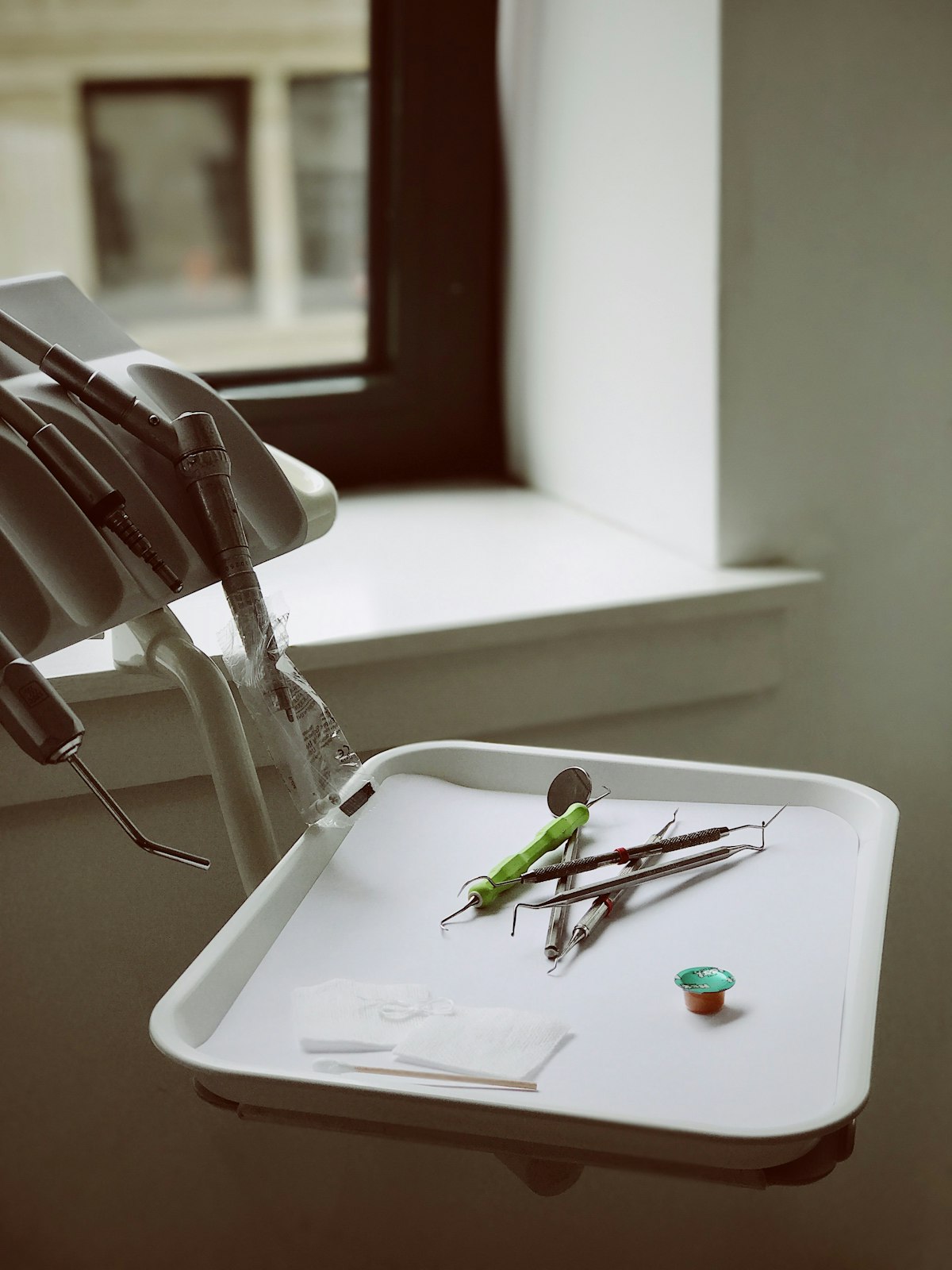
Understanding socket preservation: the full picture
Socket preservation is the only treatment in this group that is preventive. Graft material is placed into the socket at the moment a tooth is removed, before the bone has had a chance to resorb, so instead of rebuilding lost bone later, you avoid losing much of it.
The reason it works is timing. Most of the resorption that follows an extraction happens in the first few months, and it is concentrated on the outer plate. Exactly the bone an implant needs. Filling and protecting the socket straight away preserves the ridge shape while your own bone forms inside.
It is not needed for every extraction. Where a tooth is coming out and nothing is planned to replace it, or where a denture will sit over the area, it adds cost without adding value. Where an implant is intended, it frequently prevents the bigger graft that would otherwise be needed.
Who is socket preservation suitable for?
Most healthy adults are candidates, and the honest assessment happens before you travel, not after you arrive. During the free photo review, the clinical team looks at the state of your teeth and gums, your bite, and, just as importantly, what you actually want to achieve. Age by itself is almost never the barrier patients fear it is; general health and gum condition matter far more.
The remote assessment costs nothing and commits you to nothing, and it answers the suitability question definitively for your case rather than in general terms. It is also a useful test of the clinic itself: an honest team will sometimes tell you that you need less treatment than you asked about, and that answer is worth more than any brochure.
The socket preservation procedure, step by step
- 1. Decide before the extraction, not after. This is the point. Once the socket has healed without it, the opportunity has gone.
- 2. Atraumatic extraction. The thin outer plate is preserved deliberately. This is where sectioning the tooth earns its place.
- 3. Socket cleaned of any infected tissue. Grafting onto infection fails.
- 4. Graft placed and covered. A membrane or soft tissue graft seals the top.
- 5. Healing, three to four months, then implant placement.
Materials, brands and technology
Surgical dentistry runs on biomaterials, and their provenance matters. Bone graft materials range from your own bone (the biological gold standard) through documented bovine-derived and synthetic substitutes with decades of published data. Collagen membranes guide regeneration by keeping soft tissue out while bone rebuilds. PRF, platelet-rich fibrin spun from your own blood minutes before use, accelerates soft-tissue healing at negligible cost. Accredited clinics use CE-marked, batch-documented biomaterials and will name them in your plan. Combined with piezoelectric surgical units (ultrasonic instruments that cut bone while sparing soft tissue), the modern surgical toolkit is gentler than most patients imagine.
How socket preservation compares with the alternatives
No treatment exists in a vacuum, and part of an honest consultation is comparing socket preservation against the realistic alternatives for your case, including the alternative of doing nothing yet. Each option trades differently across cost, invasiveness, longevity and appearance, and the right answer depends on your teeth, your priorities and your budget rather than on what any clinic prefers to sell.
And the "do nothing" option deserves its honest paragraph: some conditions are stable and can be watched, while others (infection, progressive gum disease, failing teeth under load) get more complicated and more expensive with every year of delay. Ask the team directly which category your case falls into; the answer costs nothing and removes the most stressful uncertainty of all.
Does socket preservation hurt? Anaesthesia and comfort
Pain control in a modern clinic is a solved problem. Local anaesthesia is delivered gently (topical numbing gel first, slow injection technique) and tested before work begins; sedation options up to anaesthetist-supervised IV sedation cover anxious patients and longer sessions. During treatment you feel pressure and vibration, never sharp pain, and you can pause the clinician at any moment with a raised hand.
Post-operative discomfort is honest but modest: typically a few days of tenderness managed with ordinary paracetamol or ibuprofen, peaking on day one or two and fading steadily. Clinics treating international patients are notably attentive here. You have a direct WhatsApp line to the clinical team through your recovery, and questions get answered in minutes, not at the next available appointment.
How to choose a clinic for socket preservation, the honest checklist
Clinic choice determines your outcome more than any other decision, including the country. Apply this checklist ruthlessly:
- Named clinicians with verifiable credentials. You should know who is treating you, their speciality and their experience, not just a clinic brand.
- Written, itemised, fixed quotes. Materials named by brand, every procedure listed, total price fixed. Vague quotes produce surprise invoices.
- Proper imaging before promises. CT-based 3D planning is non-negotiable for this treatment, decline any clinic willing to proceed from a flat X-ray alone.
- Reviews with history. Read the 3-star reviews (the most honest tier), look for reviewers with older posts, and value complaint-handling over perfection.
- Aftercare that survives your flight home. A named contact, response times, and a clear protocol for problems, tested by messaging them before you book.
- Honest triage. The best single signal: a clinic willing to tell you that you need less treatment than you asked for.
Aftercare once you are back home
Good treatment is a beginning, not an ending, and the aftercare model for international patients is better than most people expect. You fly home with written documentation. Your treatment record, material brands and batches, guarantee terms and a maintenance schedule, which means any dentist in the UK or US can examine and maintain the work without guesswork. Routine maintenance (check-ups, hygiene visits) happens locally exactly as it would after treatment at home.
What we ask of you is the boring, decisive part: keep the hygiene routine your clinician set, wear the night guard if one was prescribed, and do not skip routine reviews. The overwhelming majority of long-term problems in dentistry, anywhere in the world, grow quietly in the gaps between missed appointments.
What the evidence says about socket preservation
Three findings from the wider research are worth knowing as a patient. First, outcomes correlate more strongly with operator experience and case volume than with geography. A high-volume specialist team is statistically your safest choice wherever it is located. Second, patient factors you control (smoking, hygiene, attending reviews) move long-term success rates more than almost any clinical variable. Third, documented, brand-name materials exist precisely because their manufacturers publish long-term data; an unbranded restoration or fixture is a data-free experiment on your health, which is why we treat named materials as non-negotiable in vetting.
Where a treatment has genuine limitations or an evidence base still maturing, an honest clinic says so during planning. Beware of any provider, in any country, for whom every treatment is "100% successful"; real medicine deals in probabilities, and informed consent means hearing them.
Ten questions to ask before you book socket preservation
Send these to any clinic you are considering, including ours. The answers (and how quickly and clearly they arrive) tell you most of what you need to know:
- 1. Who exactly will perform my treatment, and what are their qualifications and case volume in socket preservation?
- 2. Which brand and product line of materials will be used for my case, in writing?
- 3. What imaging will you take before confirming my plan, and is 3D CT included?
- 4. Is the quoted price fixed, and what could legitimately change it?
- 6. What is the realistic timeline for my case, and what happens if lab work needs an extra day?
- 7. What does aftercare look like once I am back home, and who do I contact?
- 8. What are the specific risks in my case, and how do you manage them?
- 9. Can I see recent before-and-after cases similar to mine?
- 10. If my case turns out to need less treatment than quoted, will the price come down?
That last question is the quiet masterstroke: an honest clinic answers "yes, of course" without hesitation, because plans at serious clinics are clinical documents, not sales targets. If any answer is evasive, slow or wrapped in pressure tactics ("this price is only valid today"), you have learned something worth far more than a discount.
Prefer a quick form? Get your fixed plan without picking up the phone
Fill in our short consultation form and our patient team will prepare your personalised offer.
Recovery: what actually happens, week by week
Surgical recovery follows a predictable arc. Days 1–2: swelling and possible bruising peak. Cold compresses, rest and prescribed medication are the routine; pain is typically dull and well controlled. Days 3–5: visible swelling recedes and normal soft eating resumes; most patients feel comfortable in public and sightsee gently. Days 7–14: soft tissue closes and sutures dissolve or are removed. Beneath the surface, bone healing continues quietly for weeks to months, which is why grafting procedures are scheduled well before the implants they prepare for. The rules: no smoking (the biggest healing saboteur), no vigorous rinsing in the first 24 hours, gentle hygiene around the site, and message the clinic about anything that worries you rather than guessing.
Risks and complications: the honest section
The commonest problem is the graft washing out in the first days, usually because the seal over the socket failed. It shows up as granular material in the mouth and it means the site heals as it would have done without treatment.
Infection is a risk where the tooth was removed because of infection, and the socket has to be thoroughly cleaned for that reason.
The honest limitation: preservation reduces resorption, it does not abolish it. Some ridge change still occurs, and a plan promising the ridge will be unchanged is overselling a good treatment.
How long does socket preservation last?
With sensible maintenance, expect : from socket preservation. The variables that matter are the ones you control: daily hygiene, wearing a night guard if you grind, not smoking, and attending routine reviews. Materials fail rarely; neglect fails reliably. Accredited clinics back the work with written guarantees whose terms you receive before treatment, and honour them, because international reputation is their entire business model.
Your maintenance calendar after socket preservation is deliberately unremarkable, the same habits that protect natural teeth protect treatment:
- Daily: brush twice with fluoride toothpaste, clean between teeth once (floss, interdental brushes or a water flosser: whichever you will actually use every day), and wear your night guard if one was prescribed.
- Every 6 months: a routine check-up and professional hygiene visit with your local dentist. Exactly as you would after treatment at home.
- Immediately, any time: report anything unusual (a chip, new sensitivity, bleeding gums, anything loose) rather than watching it. Early problems in dentistry are small, cheap and fixable; late ones are none of those things.